2 min read
The VAT return: how it is prepared and filed without errors
A return is not a form filled in on the last day — it is the output of books kept in order all period. Start in filing week and you file unreviewed figures.
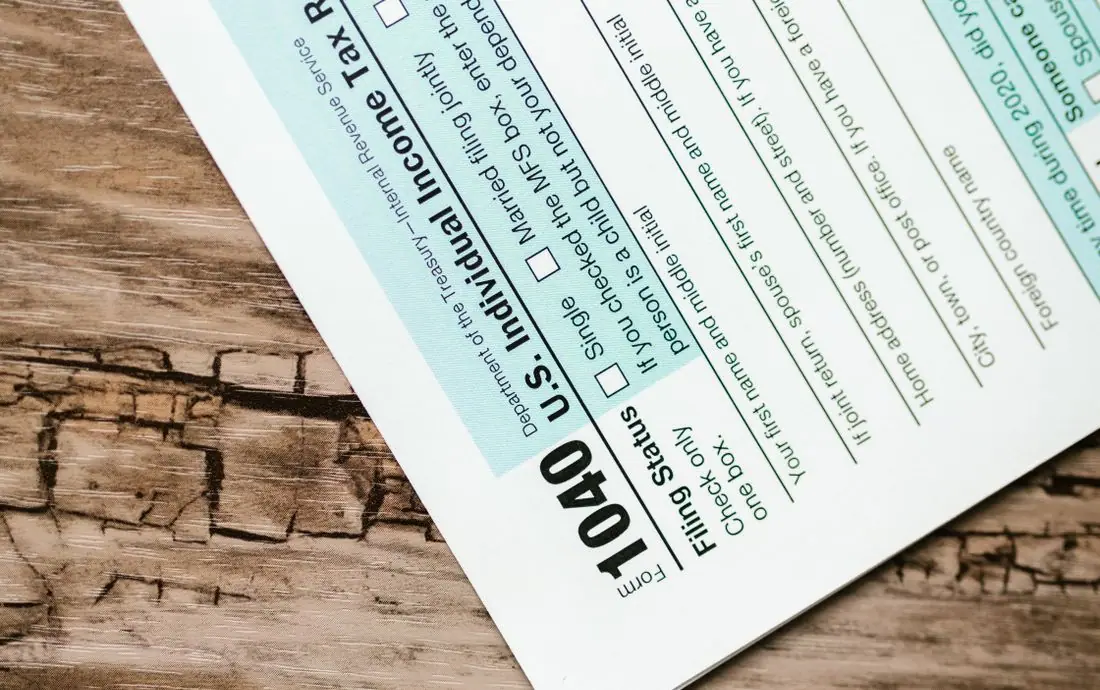
After registration the real cycle starts: a tax period to file against, with payment falling on the same deadline. A return is at heart a reconciliation between the output tax you collected and the input tax you paid — where the books are in order it is an extraction, and where they are not it is an estimate.
Your tax period is assigned to you
The tax period is not a free choice: it is set at registration, quarterly for most registrants and monthly for larger businesses whose annual supplies exceed a defined level. Check your registration certificate — working from a wrong assumption about the period means being late from the very first return.
What the form asks for
The form does not ask for a single figure. It breaks supplies down by nature and by emirate, separates inputs from outputs, and gives particular cases their own boxes:
- Standard-rated supplies, allocated across the emirates
- Zero-rated supplies and exempt supplies — each in its own box
- Imports subject to the reverse charge mechanism
- Recoverable input tax only, not everything you paid
- Adjustments for earlier periods where they exist
What to do before pressing submit
1 — Reconcile the tax account to the books
The output tax balance in your ledger should agree to what the return will show. Any difference is either a missing entry or a misclassified invoice — both far easier to resolve now than after submission.
2 — Test inputs document by document
No input tax is recovered without a compliant tax invoice in the name of the business. A claim with no document behind it is the first thing asked for at review.
3 — Review the classification, not just the total
A correct total spread across wrong boxes is still a wrong return. Confusing exempt with zero-rated in particular changes your right to recover the related input tax.
Found an error after filing?
Correction is possible, and volunteering it is always better than waiting for it to be found. The mechanism depends on the size and nature of the difference: some small differences are handled in the next return, beyond that a separate disclosure is needed. Assess the case before choosing the route — choosing the wrong one creates a second breach on top of the first.
The practical summary
- Confirm your tax period from the registration certificate, not from memory
- Reconcile the tax account monthly, not in filing week
- Split supplies by emirate at the point of sale, not at preparation
- Keep a tax invoice behind every input you recover
- Have the return independently reviewed before filing — it costs less than correcting it