1 min read
Restaurant accounting: why margins disappear and how to control cost
Restaurant margins are thin, and they disappear into small details nobody measures. These are the four places they leak from.
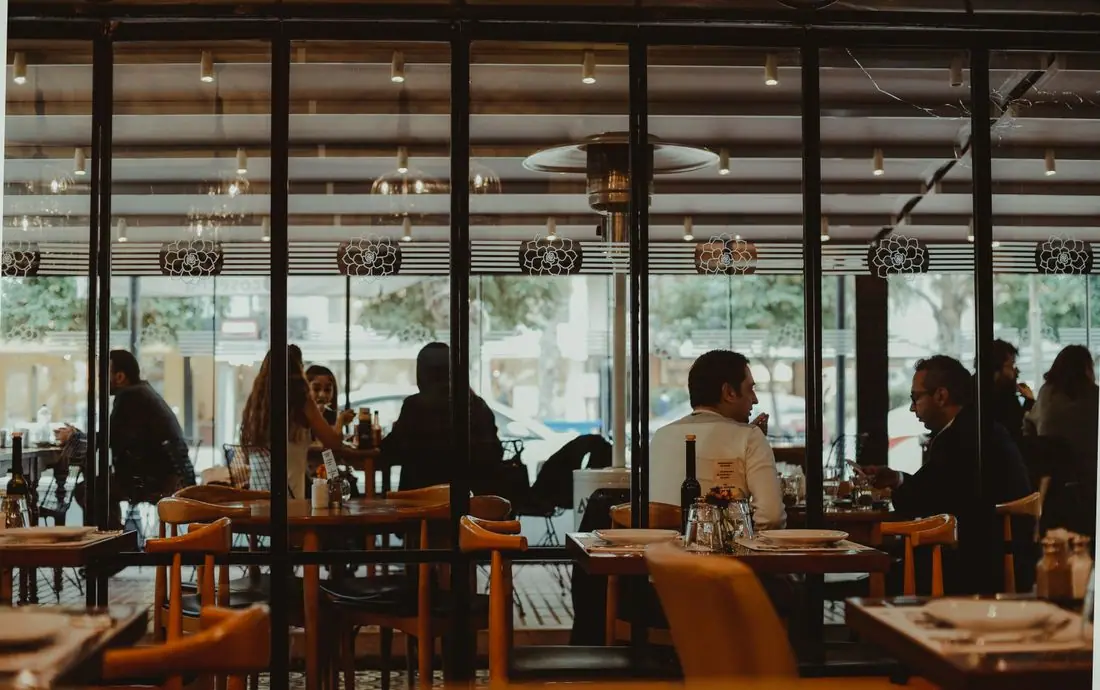
A restaurant can be full every night and still end the year with a weak profit. The cause is rarely sales; it is cost that shifts daily without anyone noticing. Restaurant accounting differs from every other activity for exactly this reason.
1 — Dishes sold at a loss
If the cost of every menu item is not calculated precisely, some items are almost certainly selling below cost. Worse still is when those items are the most popular, so more sales mean more loss.
2 — Wastage that is never measured
Wastage exists in every kitchen. The difference between a healthy restaurant and a struggling one is that the first measures it. What is not measured cannot be reduced, and the ratio stays unknown until it shows up in the year-end result.
3 — Stock with no count cycle
Without regular counts you cannot see the gap between what you bought and what was actually consumed. That gap is precisely what leaks — through waste, poor storage or otherwise.
4 — A POS that is not connected to the books
When the point-of-sale system sits apart from accounting, reconciliation becomes manual and late, and differences accumulate that are hard to trace weeks later.
What fixes it?
- Costing every item and comparing it against its selling price
- Recording wastage daily and tracking the ratio
- A regular count cycle: monthly for main items, weekly for high-value ones
- Connecting the POS to accounting entries
- A profitability report for each branch separately
None of this is complicated, but it requires consistency. Consistency is what separates a restaurant that knows its numbers from one that discovers them too late.